Should You Keep the House in Divorce? The “House Rich, Cash Poor” Trap Explained
“I’m not giving up the house—no matter what.”
It’s one of the most common things I hear as a divorce coach.
And underneath that statement is usually a much deeper question:
Should I keep the house in divorce?
If you’re in this stage and trying to figure out what to do before making a decision, start here:
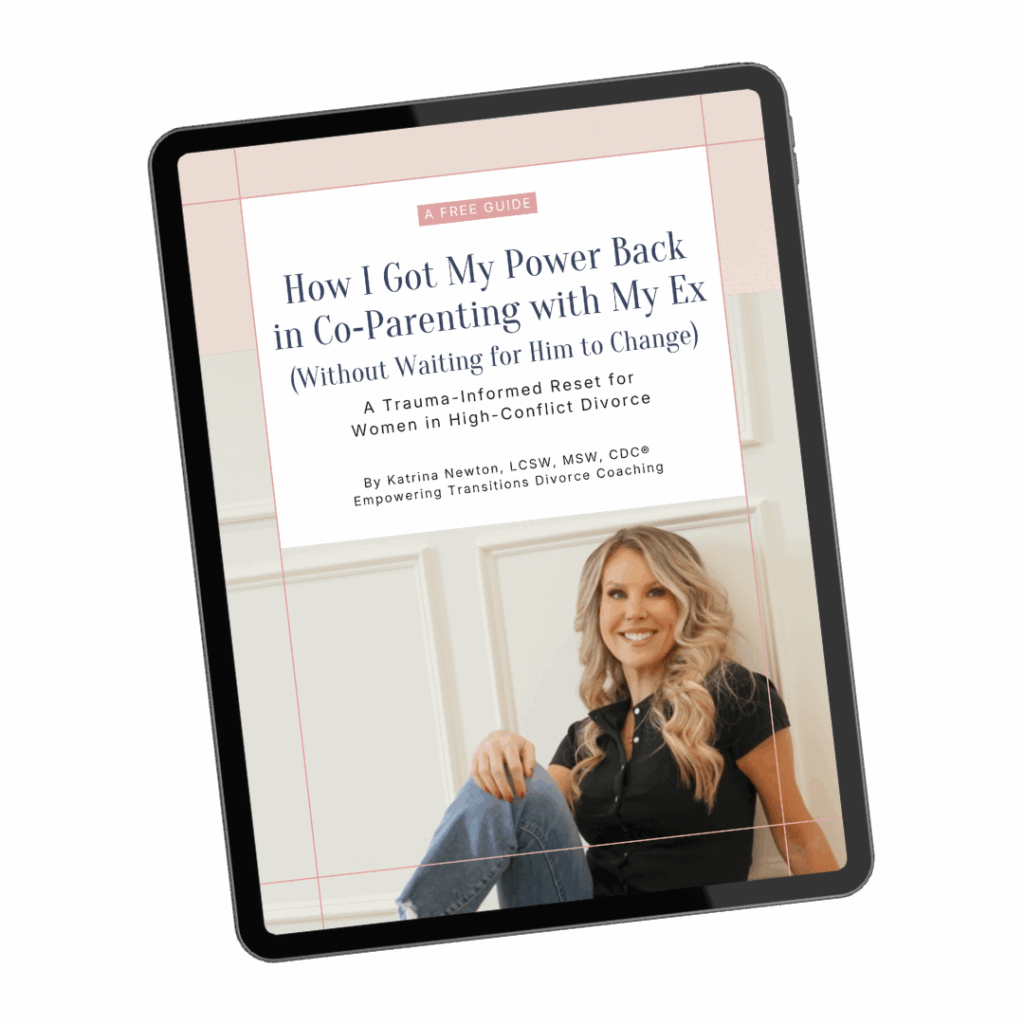
👉 Get the Power Reset Guide
Whether you’re navigating a modest suburban home or a sprawling estate, the feeling is the same—the house becomes the one thing that feels like it cannot change.
When everything else is uncertain, your nervous system reaches for what’s familiar.
You tell yourself you’re doing it for the kids.
That they need stability.
That they’ve already been through enough.
And that instinct? It’s real.
But we have to ask the harder question:
Is keeping the house in divorce actually creating stability…
or is it setting you up for long-term financial stress?
The Emotional Pull Behind Keeping the House in Divorce
In times of crisis, your brain is wired for survival.
Divorce is a massive disruption. And your survival brain looks for something to hold onto.
The house becomes that “safe place.”
But when you’re in survival mode, your perspective narrows.
The house stops being a financial asset…
and starts becoming identity, safety, and control.
So the real question becomes:
Can I afford my house after divorce—and what will it actually cost me long term?
The Financial Reality Check: Can You Afford Your House After Divorce?
Before you decide on keeping the house in divorce, you need real numbers—not assumptions.
This is where most women get stuck—trying to make major financial decisions without a clear strategy.
If you’re also dealing with a high-conflict or emotionally charged situation, communication can make this even harder.
👉 Use these scripts to end the conflict with your ex
1. The Cost to Buy Out and Refinance
- Buyout
- Refinance
- Qualification
2. The “Invisible” Costs
Roof, HVAC, maintenance—these add up quickly and require cash flow, not just equity.
3. The Monthly Reality
Utilities, taxes, insurance, and the “spouse gap” (everything they used to handle).
4. The Opportunity Cost
What could your equity do for you instead?
Liquidity = options.
Stability Is Not a Zip Code
Let me be clear:
Keeping the house in divorce is not always the wrong decision.
But if the decision is being driven by fear…
fear of change
fear of judgment
fear of disrupting your children
…then we need to pause.
Because stability is not a zip code.
It’s a regulated, financially secure mother.
If you’re struggling to separate emotion from strategy in this decision, this is exactly the kind of work we do together.
👉 Book a free clarity call
Moving From Survival Mode to Strategy
Divorce is a reallocation of resources.
And an opportunity to design your next chapter intentionally.
Sometimes the most empowering move is not keeping the house in divorce…
It’s selling it.
Creating liquidity.
Giving yourself options.
So… Should You Keep the House in Divorce?
It comes down to this:
Are you making the decision from emotion…
or from strategy?
Letting emotion drive financial decisions is one of the most common — and costly — mistakes women make during divorce. Read: Considering Divorce? Avoid These 4 Common Mistakes for a Healthier Future →
If you’re asking:
- Should I keep the house in divorce?
- Can I afford my house after divorce?
- What is this really going to cost me?
You’re asking the right questions.
Ready to Get Strategic?
If you want a clear starting point and ongoing guidance, begin here:
👉 Download the Power Reset Guide
Want to make sure you’re not making other costly mistakes during this process? The Biggest Divorce Mistakes Women Make (And How to Avoid Them) →
Or if you’re ready for personalized support:
👉 Book your free clarity call
You’re not giving up.
You’re making a smarter, more intentional move forward.
Frequently Asked Questions About Keeping the House in Divorce
Should I keep the house in a divorce?
It depends on your full financial picture—not just emotional attachment. As discussed above, keeping the house can sometimes create long-term financial strain if you’re not accounting for buyout costs, refinancing, and ongoing expenses. The goal is to make a decision that supports your long-term stability—not just short-term comfort.
Is it better for kids to stay in the family home after divorce?
Not always. While staying in the home can feel stabilizing, true stability comes from a financially secure and emotionally regulated parent. As mentioned in this article, a manageable home and reduced financial stress often create a more stable environment than holding onto a home you can’t comfortably afford
What does it really cost to keep the house in a divorce?
Many women underestimate the full cost. Beyond the mortgage, you need to factor in:
- Buyout of your spouse’s equity
- Refinancing at current interest rates
- Maintenance and repairs
- Monthly operating costs
These hidden expenses are what often lead to the “house rich, cash poor” situation explained above.
Can I afford to keep my house after divorce on one income?
You should never assume—always run the numbers first. As outlined in this article, getting pre-qualified for a mortgage and reviewing your full monthly expenses is critical before deciding to keep the home.
Why do so many women fight to keep the house in divorce?
Because it feels like safety. During divorce, your brain is wired to seek familiarity and control. The home represents stability—but as explained above, that emotional pull can sometimes override smart financial decision-making.
What is the “house rich, cash poor” trap in divorce?
It’s when you have most of your wealth tied up in your home but don’t have enough liquid cash to comfortably support your life. This can lead to ongoing stress, debt, and limited financial flexibility—something this article breaks down in detail.
What should I consider before deciding to keep the house?
Before making a decision, you need clarity on:
- The true cost of ownership
- Your post-divorce income
- Your long-term financial goals
- The opportunity cost of keeping vs. selling
This article walks you through exactly how to evaluate each of these.
Is selling the house in a divorce a bad decision?
Not at all. In many cases, selling the home allows you to access equity, reduce financial pressure, and create more flexibility for your next chapter. As discussed above, this can actually be the more strategic and empowering choice.
If you want help identifying your highest‑risk pressure points and stabilizing your next move, book a free Clarity Call here.
For more expert insights and resources, connect with me on Instagram, Facebook, or visit http://www.empoweringdivorcecoaching.com.